Location : Cetatea medievala din Sighisoara.
Showing posts with label sighisoara. Show all posts
Monday, 9 January 2012
Sunday, 13 November 2011
Sky photos
Wednesday, 9 November 2011
Haha
Era o zi de vara fierbinte in care pisica si-a sprijinit capul pe castravetele rece cules proaspat din gradina lol.
Monday, 7 November 2011
Flori de gheata
Labels:
blumen,
cold,
eisblumen,
flori,
flori de gheata,
iarna,
iceflower,
iceflowers,
kälte,
panasonic,
romania,
sighisoara,
white,
white flowers,
winter
Friday, 28 October 2011
Photoshooting with Madalina
Photoshooting with Madalina in the park of Iulius Mall , Cluj Napoca.
Pictures taken with : Nikon D7000 + AF - S Nikkor 18 - 105 mm VR ED .
Model : Madalina.
Photographer : David Borhidan.
Edit : David Borhidan.
Pictures taken with : Nikon D7000 + AF - S Nikkor 18 - 105 mm VR ED .
Model : Madalina.
Photographer : David Borhidan.
Edit : David Borhidan.
Tuesday, 25 October 2011
Targu Mures
Târgu Mureș (Hungarian: Marosvásárhely, German: Neumarkt am Mieresch) is the seat of Mureș County in the north-central part of Romania.
As of January 1, 2009 the city had a population of 145,151 inhabitants, making it the 16th largest city in Romania.
The city was first documented in 1332 in the papal registry under the name Novum Forum Siculorum, and as Sekulvasarhel (Székelyvásárhely) in 1349. On the place of its Castle Church, the Dominican's church stood until the Mongol invasion, when it was destroyed. In its place, the Franciscans built a new Gothic church in 1260 , which was completed in 1446. Since 1439 the town was the scene of the session of parliament ( diet) 36 times.In 1405, the King of Hungary Sigismund of Luxembourg granted the city the right to organize fairs. In 1470 King Matthias Corvinus granted the first judicial privilege to the city, and in 1482 declared the city a royal settlement. In 1492, wayvoda István Báthory strengthened its monastery with fortifications, this was a pentagon-shaped outer castle tower. In 1506, the troops of Pál Tomori were beaten by the Szeklers rising against the payment of an extraordinary Ox tax imposed on them on occasion of the birth of Louis II of Hungary. In 1557, the Reformed Church College (i.e. Presbyterians) was established as the oldest Hungarian school of Transylvania. In 1571, the session of Transylvanian parliament under prince John II Sigismund Zápolya accepted the free preach of the word of God, including the Unitarian Church. In 1600-1601, as a result of the siege of Giorgio Basta, the fortress turned to ruins. In 1602, the troops of Gergely Németh put on fire the remaining houses of the town, therefore, in 1602 the reconstruction of the fortress was started further the advice of mayor Tamás Borsos, but it was actually built between 1614 and 1653. Mózes Székely the only prince of Szekler origin visited the city in 1603, when liberated Transylvania from foreign domination. In 1616, it was granted the status of a free royal city under the name of Maros-Vásárhely by prince (fejedelem) Gábor Bethlen . In 1658, Turkish and Tartarian troops invaded and burned it, 3000 people were taken into captivity. In 1661, as no one show willingness to accept the duty of prince, under pressure from pasha Ali, Mihály Apafi was elected prince here. In 1662, resulting from the negligence of the Turkish military residing here, the city was almost completely burnt down. In 1687, it was devastated by German imperial troops.
In 1704, the kuruc troops of Pál Kaszás occupied the fortress, which was re-occupied by Lőrinc Pekry from the labanc in 1706. On 5 April 1707, Francis II Rákóczi was raised to the chair of princes. In 1707 it was struck by pest, more than 3500 people died, the black death renewed in 1709, 1719 and in 1738-39.
The city received a major boost to its social and economic life when it became home to supreme court of justice of the Principality of Transylvania in 1754. In 1802, the Teleki Library founded by count Sámuel Teleki was opened for the public with 40.000 volumes.
Avram Iancu, the leader of the 1848 Romanian revolution in Transylvania, was a young lawyer in the city of Marosvásárhely before engaging in the fight for the rights of Romanians living in Transylvania. On 4 November 1848, the Szekler troops were beaten by the Austrian imperial troops under its walls, and the city was also captured. On January 13, 1849 the troop of major Tolnay recaptured it. On 30 July 1849, Sándor Petőfi and Bem set out from here for the Battle of Segesvár.
In 1854, Szekler martyrs Károly Horváth, János Török and Mihály Gálfi were executed on the Postarét for plotting against the Austrian rule, since 1874 a monument marks the place. In 1861, Marosvásárhely became the seat of Marosszék, in 1876 that of Maros-Torda County. In 1880 the statue of Bem was inaugurated in Roses Square, in downtown area; in 1893 the statue of Kossuth was as well. The statue of Rákóczi was also inaugurated in 1907. All three were demolished after World War I between 1919 in 1923 after Transylvania became part of Romania.
The provincial appearance of the city changed greatly in the late 19th century and early 20th century. In 1913, the Hungarian Art-Nouveau style city hall complex and Cultural Palace was opened, as part of mayor Bernády György's urban renewal. After World War I, together with the rest of Transylvania, Marosvásáshely became part of Romania and was re-named Oşorheiu. From having been an 89% Hungarian-populated city (1910), Romanian population increased throughout the latter half of the 20th century.
From 1940 to 1944, as a consequence of the Second Vienna Award, the city was ceded back to Hungary. After Hungary was occupied by Germany in 1944, a Jewish ghetto was established in the city. Oşorheiu re-entered the Romanian administration at the end of the war in October 1944, however, on 12 November 1944 general Vinogradov of the Soviet Red Army expulsed the returning Romanian authorities from Northern Transylvania with reference to the massacres committed by members of Iuliu Maniu's so called Maniu-guard, and the Romanian authorities were not allowed to return until the government of Petru Groza was formed on 6 March 1945.
After World War II, the communist administration of Romania conducted a policy of massive industrialization that completely re-shaped the community. Between 1950-1968, it was the center of the Hungarian Autonomous Province, later named as Mures-Hungarian Autonomous Region. On 7 September 1959, Gheorghe Gheorghiu-Dej, Secretary-General of the Romanian Workers Party, and the Prime Minister Chivu Stoica visited the city. It was then decided where to build the fertilizer production plant, and the new residential quarters of the city. It was decided that the residential quarters would not be built in the Maros valley, but on the surrounding hills.
In March 1990, shortly after the Romanian Revolution of 1989 overthrew the communist regime, the city was the stage of violent confrontations between ethnic Hungarians and ethnic Romanians .
As of 2000, a considerable percentage of its population has started to work abroad temporarily. The local economy has started to get stronger after various investors settled in the area.
The city has a substantial ethnic Hungarian minority, some of whom identify as Székelys. Since 2003 some Székely organizations have been campaigning for the city to become the center of an autonomous region again.
As of January 1, 2009 the city had a population of 145,151 inhabitants, making it the 16th largest city in Romania.
The city was first documented in 1332 in the papal registry under the name Novum Forum Siculorum, and as Sekulvasarhel (Székelyvásárhely) in 1349. On the place of its Castle Church, the Dominican's church stood until the Mongol invasion, when it was destroyed. In its place, the Franciscans built a new Gothic church in 1260 , which was completed in 1446. Since 1439 the town was the scene of the session of parliament ( diet) 36 times.In 1405, the King of Hungary Sigismund of Luxembourg granted the city the right to organize fairs. In 1470 King Matthias Corvinus granted the first judicial privilege to the city, and in 1482 declared the city a royal settlement. In 1492, wayvoda István Báthory strengthened its monastery with fortifications, this was a pentagon-shaped outer castle tower. In 1506, the troops of Pál Tomori were beaten by the Szeklers rising against the payment of an extraordinary Ox tax imposed on them on occasion of the birth of Louis II of Hungary. In 1557, the Reformed Church College (i.e. Presbyterians) was established as the oldest Hungarian school of Transylvania. In 1571, the session of Transylvanian parliament under prince John II Sigismund Zápolya accepted the free preach of the word of God, including the Unitarian Church. In 1600-1601, as a result of the siege of Giorgio Basta, the fortress turned to ruins. In 1602, the troops of Gergely Németh put on fire the remaining houses of the town, therefore, in 1602 the reconstruction of the fortress was started further the advice of mayor Tamás Borsos, but it was actually built between 1614 and 1653. Mózes Székely the only prince of Szekler origin visited the city in 1603, when liberated Transylvania from foreign domination. In 1616, it was granted the status of a free royal city under the name of Maros-Vásárhely by prince (fejedelem) Gábor Bethlen . In 1658, Turkish and Tartarian troops invaded and burned it, 3000 people were taken into captivity. In 1661, as no one show willingness to accept the duty of prince, under pressure from pasha Ali, Mihály Apafi was elected prince here. In 1662, resulting from the negligence of the Turkish military residing here, the city was almost completely burnt down. In 1687, it was devastated by German imperial troops.
In 1704, the kuruc troops of Pál Kaszás occupied the fortress, which was re-occupied by Lőrinc Pekry from the labanc in 1706. On 5 April 1707, Francis II Rákóczi was raised to the chair of princes. In 1707 it was struck by pest, more than 3500 people died, the black death renewed in 1709, 1719 and in 1738-39.
The city received a major boost to its social and economic life when it became home to supreme court of justice of the Principality of Transylvania in 1754. In 1802, the Teleki Library founded by count Sámuel Teleki was opened for the public with 40.000 volumes.
Avram Iancu, the leader of the 1848 Romanian revolution in Transylvania, was a young lawyer in the city of Marosvásárhely before engaging in the fight for the rights of Romanians living in Transylvania. On 4 November 1848, the Szekler troops were beaten by the Austrian imperial troops under its walls, and the city was also captured. On January 13, 1849 the troop of major Tolnay recaptured it. On 30 July 1849, Sándor Petőfi and Bem set out from here for the Battle of Segesvár.
In 1854, Szekler martyrs Károly Horváth, János Török and Mihály Gálfi were executed on the Postarét for plotting against the Austrian rule, since 1874 a monument marks the place. In 1861, Marosvásárhely became the seat of Marosszék, in 1876 that of Maros-Torda County. In 1880 the statue of Bem was inaugurated in Roses Square, in downtown area; in 1893 the statue of Kossuth was as well. The statue of Rákóczi was also inaugurated in 1907. All three were demolished after World War I between 1919 in 1923 after Transylvania became part of Romania.
The provincial appearance of the city changed greatly in the late 19th century and early 20th century. In 1913, the Hungarian Art-Nouveau style city hall complex and Cultural Palace was opened, as part of mayor Bernády György's urban renewal. After World War I, together with the rest of Transylvania, Marosvásáshely became part of Romania and was re-named Oşorheiu. From having been an 89% Hungarian-populated city (1910), Romanian population increased throughout the latter half of the 20th century.
From 1940 to 1944, as a consequence of the Second Vienna Award, the city was ceded back to Hungary. After Hungary was occupied by Germany in 1944, a Jewish ghetto was established in the city. Oşorheiu re-entered the Romanian administration at the end of the war in October 1944, however, on 12 November 1944 general Vinogradov of the Soviet Red Army expulsed the returning Romanian authorities from Northern Transylvania with reference to the massacres committed by members of Iuliu Maniu's so called Maniu-guard, and the Romanian authorities were not allowed to return until the government of Petru Groza was formed on 6 March 1945.
After World War II, the communist administration of Romania conducted a policy of massive industrialization that completely re-shaped the community. Between 1950-1968, it was the center of the Hungarian Autonomous Province, later named as Mures-Hungarian Autonomous Region. On 7 September 1959, Gheorghe Gheorghiu-Dej, Secretary-General of the Romanian Workers Party, and the Prime Minister Chivu Stoica visited the city. It was then decided where to build the fertilizer production plant, and the new residential quarters of the city. It was decided that the residential quarters would not be built in the Maros valley, but on the surrounding hills.
In March 1990, shortly after the Romanian Revolution of 1989 overthrew the communist regime, the city was the stage of violent confrontations between ethnic Hungarians and ethnic Romanians .
As of 2000, a considerable percentage of its population has started to work abroad temporarily. The local economy has started to get stronger after various investors settled in the area.
The city has a substantial ethnic Hungarian minority, some of whom identify as Székelys. Since 2003 some Székely organizations have been campaigning for the city to become the center of an autonomous region again.
Saturday, 17 September 2011
Wednesday, 14 September 2011
Sighisoara Panorama
Friday, 2 September 2011
Rose photo shooting
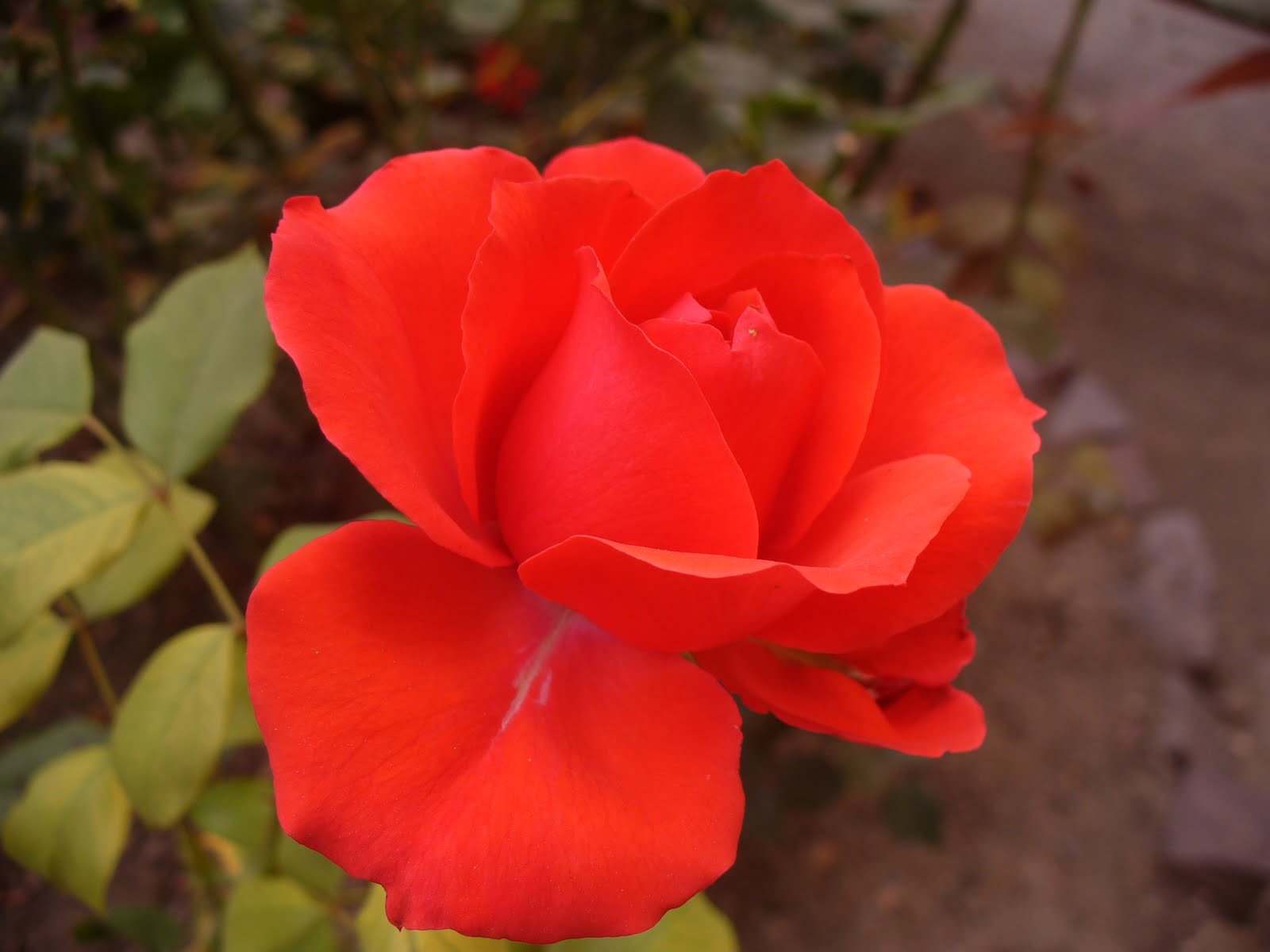
Roses with great color combinations .
Romantic color
Red rose
Color combination ( iso 400)
Great colored rose
Romantic color
Red rose
Color combination ( iso 400)
Great colored rose
Labels:
borhidan,
bunte rose,
clor,
cluj napoca,
david,
david borhidan,
love,
nature,
photography,
red rose,
romania,
romantic color,
romantic gift,
rose,
sighisoara,
trandafir,
trandafir colorat
Wednesday, 31 August 2011
Roses
A rose is a woody perennial of the genus Rosa, within the family Rosaceae. There are over 100 species. They form a group of erect shrubs, and climbing or trailing plants, with stems that are often armed with sharp prickles. Flowers are large and showy, in colours ranging from white through yellows and reds. Most species are native to Asia, with smaller numbers native to Europe, North America, and northwest Africa. Species, cultivars and hybrids are all widely grown for their beauty and fragrance. Rose plants range in size from compact, miniature roses, to climbers that can reach 7 meters in height. Different species hybridize easily, and this has been used in the development of the wide range of garden roses.
The rose is the symbol of love.
Pink rose 1
Roses are best known as ornamental plants grown for their flowers in the garden and sometimes indoors. They have been also used for commercial perfumery and commercial cut flower crops. Some are used as landscape plants, for hedging and for other utilitarian purposes such as game cover and slope stabilization. They also have minor medicinal uses.
The majority of ornamental roses are hybrids that were bred for their flowers. A few, mostly species roses are grown for attractive or scented foliage, ornamental thorns or for their showy fruit .
Pink rose 2
Ornamental roses have been cultivated for millennia, with the earliest known cultivation known to date from at least 500 BC in Mediterranean countries, Persia, and China. Many thousands of rose hybrids and cultivars have been bred and selected for garden use as flowering plants. Most are double-flowered with many or all of the stamens having mutated into additional petals.
In the early 19th century the Empress Josephine of France patronized the development of rose breeding at her gardens at Malmaison. As long ago as 1840 a collection numbering over one thousand different cultivars, varieties and species was possible when a rosarium was planted by Loddiges nursery for Abney Park Cemetery, an early Victorian garden cemetery and arboretum in England.
A few species and hybrids are grown for non-floral ornamental use. Among these are those grown for prominent hips, such as the flagon shaped hips of Rosa moyesii. Sometimes even the thorns can be treated as an attraction or curiosity, such as with Rosa sericea.
Colored rose 1
Rose perfumes are made from attar of roses or rose oil, which is a mixture of volatile essential oils obtained by steam distilling the crushed petals of roses. An associated product is rose water which is used for cooking, cosmetics, medicine and in religious practices. The production technique originated in Persia then spread through Arabia and India, and more recently into eastern Europe. In Bulgaria, Iran and Germany, damask roses are used. The oil is transparent pale yellow or yellow-grey in colour. 'Rose Absolute' is solvent-extracted with hexane and produces a darker oil, dark yellow to orange in colour. The weight of oil extracted is about one three-thousandth to one six-thousandth of the weight of the flowers; for example, about two thousand flowers are required to produce one gram of oil.
The main constituents of attar of roses are the fragrant alcohols geraniol and l-citronellol; and rose camphor, an odourless paraffin.
Rose water, made as a byproduct of rose oil production, is widely used in Asian and Middle Eastern cuisine. In France there is much use of rose syrup, most commonly made from an extract of rose petals. In the United States, this French rose syrup is used to make rose scones and marshmallows.
Colored rose 2
-Youtube account
-Deviantart account
-Portfolio
-Blog
The rose is the symbol of love.
Pink rose 1
Roses are best known as ornamental plants grown for their flowers in the garden and sometimes indoors. They have been also used for commercial perfumery and commercial cut flower crops. Some are used as landscape plants, for hedging and for other utilitarian purposes such as game cover and slope stabilization. They also have minor medicinal uses.
The majority of ornamental roses are hybrids that were bred for their flowers. A few, mostly species roses are grown for attractive or scented foliage, ornamental thorns or for their showy fruit .
Pink rose 2
Ornamental roses have been cultivated for millennia, with the earliest known cultivation known to date from at least 500 BC in Mediterranean countries, Persia, and China. Many thousands of rose hybrids and cultivars have been bred and selected for garden use as flowering plants. Most are double-flowered with many or all of the stamens having mutated into additional petals.
In the early 19th century the Empress Josephine of France patronized the development of rose breeding at her gardens at Malmaison. As long ago as 1840 a collection numbering over one thousand different cultivars, varieties and species was possible when a rosarium was planted by Loddiges nursery for Abney Park Cemetery, an early Victorian garden cemetery and arboretum in England.
A few species and hybrids are grown for non-floral ornamental use. Among these are those grown for prominent hips, such as the flagon shaped hips of Rosa moyesii. Sometimes even the thorns can be treated as an attraction or curiosity, such as with Rosa sericea.
Colored rose 1
Rose perfumes are made from attar of roses or rose oil, which is a mixture of volatile essential oils obtained by steam distilling the crushed petals of roses. An associated product is rose water which is used for cooking, cosmetics, medicine and in religious practices. The production technique originated in Persia then spread through Arabia and India, and more recently into eastern Europe. In Bulgaria, Iran and Germany, damask roses are used. The oil is transparent pale yellow or yellow-grey in colour. 'Rose Absolute' is solvent-extracted with hexane and produces a darker oil, dark yellow to orange in colour. The weight of oil extracted is about one three-thousandth to one six-thousandth of the weight of the flowers; for example, about two thousand flowers are required to produce one gram of oil.
The main constituents of attar of roses are the fragrant alcohols geraniol and l-citronellol; and rose camphor, an odourless paraffin.
Rose water, made as a byproduct of rose oil production, is widely used in Asian and Middle Eastern cuisine. In France there is much use of rose syrup, most commonly made from an extract of rose petals. In the United States, this French rose syrup is used to make rose scones and marshmallows.
Colored rose 2
-Youtube account
-Deviantart account
-Portfolio
-Blog
Thursday, 21 July 2011
Sunset
Labels:
apus de soare,
david,
europa,
europe,
gelb,
romania,
satmar,
satu mare,
sighisoara,
soare,
sonne,
sonnenuntergang,
sun,
sunset,
sunset in romania,
sunset in satu mare,
targu mures,
yellow
Friday, 8 July 2011
Sibiu Romania
Sibiu (German: Hermannstadt; Hungarian: Nagyszeben) is an important city in Transylvania, Romania with a population of 154,548. It straddles the Cibin River, a tributary of the river Olt. It is the capital of Sibiu County and is located some 282 km north-west of Bucharest. Between 1692 and 1791 it was the capital of the Principality of Transylvania.
Sibiu is one of the most important cultural centres of Romania, and was designated a European Capital of Culture for the year 2007, in tandem with Luxembourg. Formerly the centre of the Transylvanian Saxons, the old city of Sibiu was ranked as "Europe's 8th most idyllic place to live" by Forbes.
The ski resort Păltiniş is administered by the city.
Other photos on :
Deviantart
Portfolio
Youtube
Sibiu is one of the most important cultural centres of Romania, and was designated a European Capital of Culture for the year 2007, in tandem with Luxembourg. Formerly the centre of the Transylvanian Saxons, the old city of Sibiu was ranked as "Europe's 8th most idyllic place to live" by Forbes.
The ski resort Păltiniş is administered by the city.
Center 1
Bridge of lies
Center 2
Other photos on :
Deviantart
Portfolio
Youtube
Saturday, 18 June 2011
Dog exposition Medias
The Samoyed dog takes its name from the Samoyedic peoples of Siberia. These nomadic reindeer herders bred the fluffy, white dogs to help with the herding, to pull sleds when they moved.
Males typically weigh between 23–30 kg (50–65 lbs), while females typically weigh 17–25 kg (40–55 lbs).
Height Standard : 21–23.5 inches (53–60 cm) at the shoulder for males, 19–21 inches (48–53 cm) for females.
Samoyeds
Boxer
Developed in Germany, the Boxer is a breed of stocky, large size, short-haired dog. The coat is smooth and fawn, brindled, white, or even reverse brindled with or without white markings. Boxers are brachycephalic (they have broad, short skulls), and have a square muzzle, mandibular prognathism (an underbite), very strong jaws and a powerful bite ideal for hanging on to large prey. The Boxer was bred from the English Bulldog and the now extinct Bullenbeisser and is part of the Molosser group.
Boxers were first exhibited in a dog show for St. Bernards at Munich in 1895, the first Boxer club being founded the next year. Based on 2009 American Kennel Club statistics, Boxers are the sixth most popular breed of dog in the United States for the third year in a row—moving up in 2007 from the seventh spot, which they'd held since 2002.
Height | Male | 22-25 ins. (57-63 cms.) |
|---|---|---|
| Female | 21-23 ins. (53-59 cms.) |
The character of the Boxer is of the greatest importance and demands the most solicitous attention. It is renowned from olden times for its great love and faithfulness to its master and household. It is harmless in the family, but distrustful of strangers, bright and friendly of temperament at play, but brave and determined when aroused. Its intelligence and willing tractability, its modesty, and cleanliness make it a highly desirable family dog and cheerful companion. It is the soul of honesty and loyalty, and is never false or treacherous even in its old age.
A sleepy Foxterrier
Fox Terrier refers primarily to two different breeds of the terrier dog type: the Smooth Fox Terrier and the Wire Fox Terrier, both of which originate in the 19th century from a handful of dogs who are descended from earlier British terriers, and are related to other modern white terrier breeds. In addition, a number of breeds have diverged from these two main breeds and have been recognised separately in a number of countries around the world including the Jack Russell Terrier, Miniature Fox Terrier and Rat Terrier.
The Wire and Smooth Fox Terriers share similar characteristics with the main differences being in the coat and markings of each breed. They have been successful in conformation shows, although are more successful in America than in their homeland. The two main breeds suffer from a variety of inheritable health conditions.
----------
Labels:
animals,
boxer,
boxerdog,
caini,
cluj napoca,
dog,
foxterrier,
hunde,
medias,
samoyed,
samoyeds,
sighisoara,
terrier
Friday, 10 June 2011
Saturday, 7 May 2011
Sighisoara
The Sighisoara Citadel is the old historic center of the town of Sighişoara, Romania, built in the 12th century by Saxon colonists under the Latin name Castrum Sex. It is an inhabited medieval citadel that, in 1999, was designated a UNESCO World Heritage Site for its 850-year-old testament to the history and culture of the Transylvanian Saxons.
Birthplace of Vlad III the Impaler, Sighişoara hosts, every year, a medieval festival where arts and crafts blend with rock music and stage plays. The city marks the upper boundary of the Land of Sachsen. Sighişoara exhibits architecture typical of medieval Germany. During the Communist era, this German area was preserved, and the original architecture is still in place.
Tower
A red X over the tower
Rainy days in Sighisoara
Winter in Sighisoara
Airplane ways over Sighisoara
View other pictures on : Deviantart , Portofolio ,
Videos on : Youtube .
Labels:
burg,
castrum sex,
cetate,
citadel,
city,
cluj napoca,
germany,
kreis mures,
mures,
saxonia,
schäßburg,
sighisoara,
tower,
town,
transilvania,
vlad dracu
Subscribe to:
Posts (Atom)